
Follow the Shore Between Storied Beacons, Together
Start Smart: Planning Safe, Joyful Shoreline Days
Tide Tables, Weather Windows, and Calm Conditions
Distance, Pacing, and Kid-Led Breaks
Stories in Stone and Signal: Making History Come Alive
Nature’s Classroom: Wildlife Encounters Along the Way
Tide Pools: Safe Steps and Awe-Filled Discoveries
Kneel low, keep three points of contact, and watch your reflection quiver beside anemones, hermit crabs, and darting blennies. Use a soft brush and a magnifier, never fingers, to examine textures. Photograph finds and return stones gently, modeling stewardship that preserves wonder for the next curious family arriving.
Seabirds, Seals, and Respectful Viewing Distances
Pack small binoculars and teach children to gauge distances using arm spans and landmarks. If behavior changes, you are too close. Whisper, step back, and share the shoreline generously. Quiet observation often reveals feeding rhythms, rookery tenderness, and comic surprises that noisy crowds would completely miss or disrupt.
Dunes, Bluff Trails, and Fragile Plants
Explain why sand fences, boardwalks, and rope lines exist, then make protecting them a game. Award points for spotting restoration seedlings or reading wind patterns in ripples. Choosing marked paths protects habitats, reduces erosion, and shows children how small choices guard entire shorelines, lighthouse foundations, and migrating butterflies.
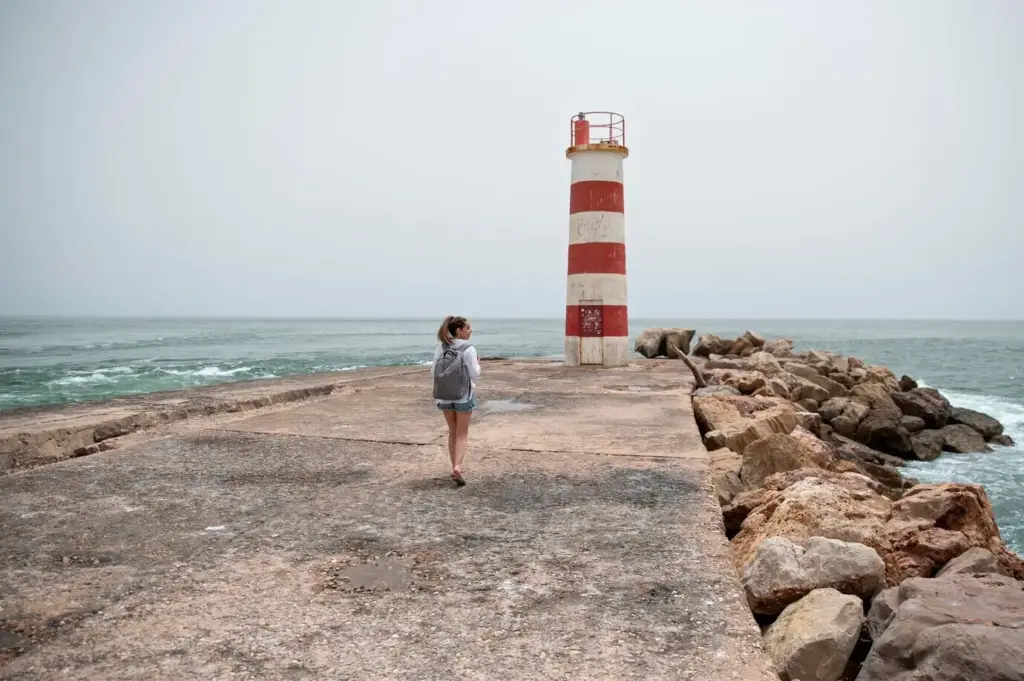

Cozy Breaks: Picnics, Treats, and Warm Smiles
Playful Navigation: Games, Maps, and Creative Keepsakes
Create a Lighthouse Passport With Stamps and Rubbings
Fold cardstock into a tiny booklet, then collect ranger stamps, embossing impressions, or coin rubbings near plaques. Each mark equals a memory and a reason to keep walking. Leave space for notes about weather, wildlife, and jokes, turning pages into laughter-splashed, salt-edged souvenirs kids proudly share.
Geocaching and Bearings for Budding Explorers
Introduce latitude, longitude, and simple bearings using a phone compass, then search for treasure near public paths without disturbing habitats. Celebrate problem-solving and careful observing, not speed. When families sign the log, encourage a kind note for the next crew discovering windblown clues amid gulls and driftwood.
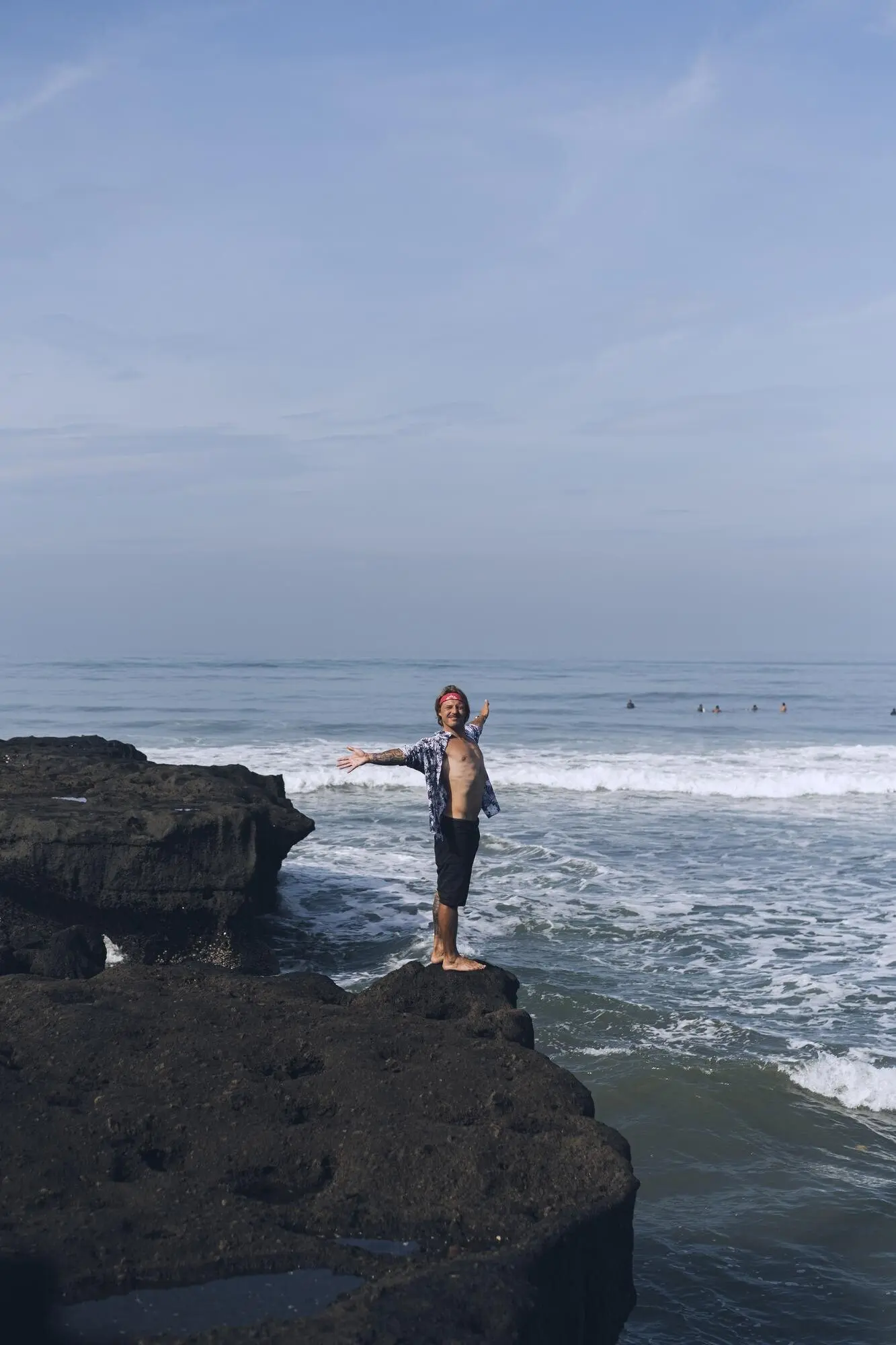
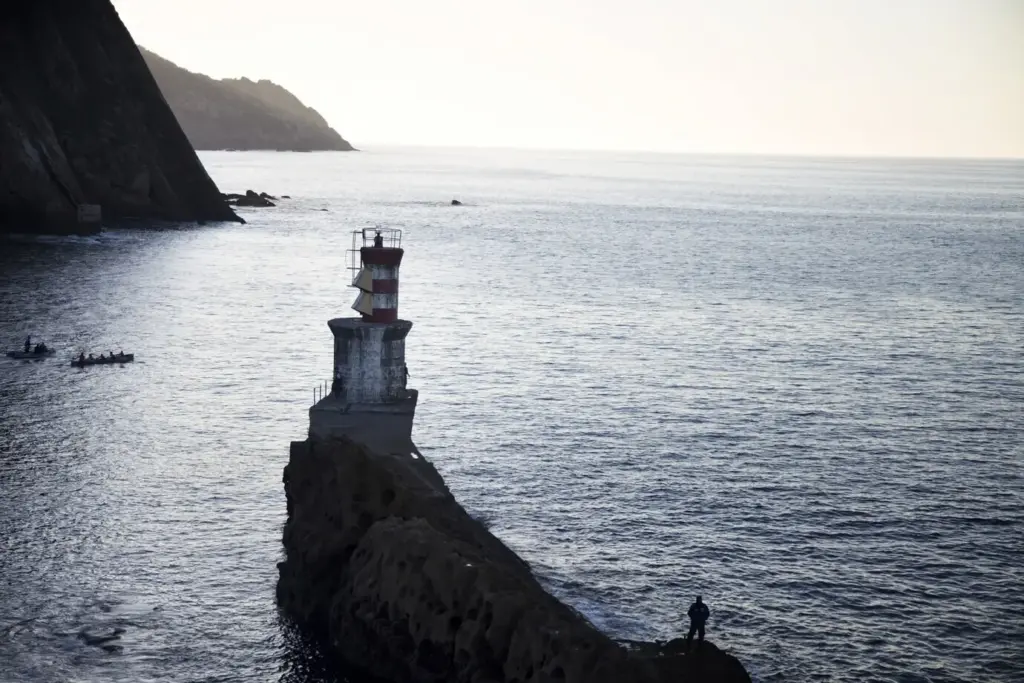
New England Promenade With Tide Pools and Tall Tales
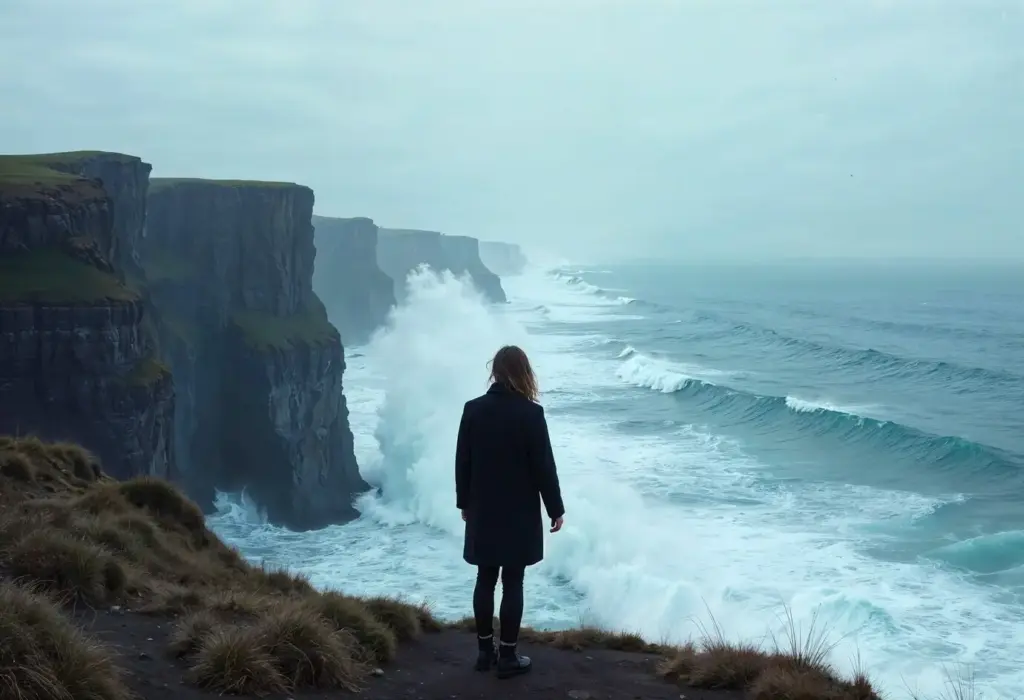
Pacific Headlands Walk Framed by Forest and Fog
All Rights Reserved.