
Chasing Beacons Along Windlit Paths
Today we explore the best photography vantage points for lighthouses along coastal trails, blending practical scouting with creative intuition. Expect guidance on cliffs, dunes, overlooks, tide pools, and piers, timing with tides and light, staying safe, and capturing atmosphere, history, and motion with intention. Bring a wide lens for sweeping context and a telephoto for isolating lantern rooms, while filters, patience, and respectful access complete the craft. Share favorite routes afterward so others can discover fresh perspectives and add their own stories.
Reading the Coastline Like a Photographer
Before setting up the tripod, learn to interpret the shoreline’s geometry, the lighthouse’s height relative to horizon lines, and the interplay of sky, surf, and rock. Notice how trails reveal layered foregrounds, how fences and railings create leading lines, and how vegetation frames the structure naturally. Scouting with a notebook or phone snapshots helps refine angles before light peaks, ensuring you return to precise, memorable positions.
Clifftop Overlooks
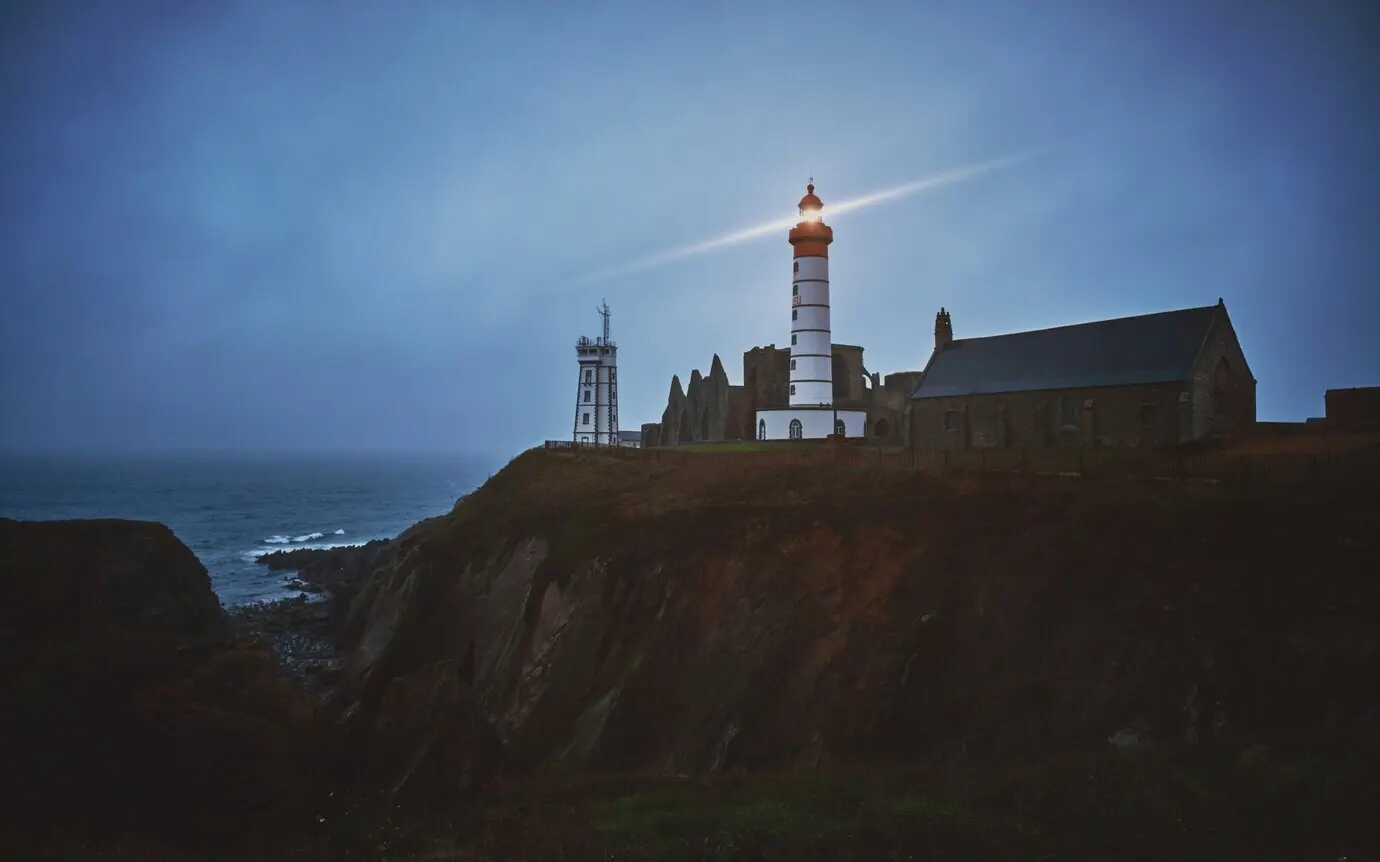
Clifftops offer commanding views that compress coastline curves around the beacon, especially when swell and spray add scale. Approach cautiously, respecting edges and posted boundaries, then experiment with compositions that place the lighthouse on intersecting thirds while using sea-carved arcs as guide rails. In hazy conditions, a telephoto tightens forms, revealing geometry and beacon character without sacrificing the drama unfolding below.
Dune Ridges and Marram Grass
Dune crests create soft, textured foregrounds that contrast beautifully with masonry towers. Kneel low so marram blades become dynamic lines pointing toward the lantern, and watch how wind draws patterns across sand that echo the beam’s sweep. Early morning footprints can either distract or guide the eye; choose angles that either erase them or turn them into purposeful human traces woven through the story.
Tide Pool Foregrounds
At low tide, pools mirror the beacon’s gleam, offering reflections that double visual impact. Move carefully across algae-slick rock, testing angles until clouds and tower align in shimmering symmetry. A polarizer can tune glare, yet slight reflections often feel more natural. Time waves so ripples settle, capturing a calm window framed by rugged edges, adding tangible quiet to a scene shaped by relentless motion.
Light, Weather, and Tide Timing
Coastal trails reward patience and planning, because light, wind, fog, and tide transform scenes minute by minute. The same vantage shifts from moody to celebratory as sun angle changes, while fog horns and mist create cinematic depth. Study tide charts, nautical twilight, and cloud movement to anticipate reflections, silhouettes, and beam visibility. When nature refuses to cooperate, lean into the mood offered rather than forcing expectations.
Golden Hour vs Blue Hour at the Beacon
Golden hour warms stone and grass, revealing texture and casting painterly shadows that cradle the structure. Blue hour is quieter, cooler, and ideal for capturing the lantern’s glow against deepening tones. Plan your arrival beforehand, note safe exit routes, and bracket exposures if the beacon’s intensity overwhelms shadows. Both windows favor long breaths, slow shutters, and stories unfolding gently across the horizon.
Fog, Mist, and Maritime Atmospherics
Fog flattens contrast while amplifying mystery, hiding distractions and isolating form. Embrace exposure compensation to retain delicate midtones, and use backlighting to make mist glow. Seabirds materialize as minimal accents, and the horn’s thrum becomes part of your timing rhythm. These conditions ask for restraint: simplify compositions, lean into silhouettes, and let viewers imagine the coastline your lens only suggests through softened edges.
Tide Charts, Reflections, and Wet Sand Mirrors
Low ebb reveals tidal geometry and reflective flats; rising tides erase clutter, simplifying lines around the tower. After waves retreat, wet sand becomes a natural mirror, especially under pastel skies. Track intervals between sets to protect gear and choose shutter speeds that either freeze crest detail or stretch water into silk. When timing aligns, a single curve of foam can lead eyes directly toward the lighthouse.
Lenses, Filters, and Practical Setup
Choosing Focal Lengths for Scale and Story
Think of focal length as narrative distance. Wider perspectives reveal paths, fences, and footprints that invite entry, while longer lenses compress sea stacks and cliff faces around the tower. Switch intentionally as the light evolves, using primes for discipline or zooms for agility. Test vertical frames to emphasize height, then rotate to horizontal to celebrate the coastline’s sweep without losing the beacon’s commanding presence.
Using Polarizers and Graduated NDs by the Sea
A circular polarizer reduces harsh reflections on wet rock and deepens sky tones, but rotate carefully to avoid uneven gradients near the horizon. Graduated neutral density filters hold back bright skies, preserving cloud relief above a darker shoreline. Combine subtle filtration with mindful exposure blending only when necessary, preferring a natural balance that respects the scene’s character while protecting highlight detail around the luminous lantern.
Tripods, Stability, and Salt Spray Protection
Ocean wind is relentless, so stability is nonnegotiable. Extend thicker leg sections first, push spikes into firm ground, and hang a bag for ballast without turning the setup into a sail. Keep lens hoods mounted, pack absorbent cloths, and wipe salt mist quickly to prevent crystalline artifacts. Store gear in a dry bag between shots, opening briefly for adjustments, then sealing before the next gust arrives.
Compositional Stories Beyond the Postcard
Move past centered silhouettes and embrace narratives grounded in texture, scale, and lived detail. Weave railings, weathered timbers, and trail markers into the frame to suggest journeys rather than destinations. Feature human traces respectfully, balancing privacy with storytelling. Let negative space breathe around the tower, and experiment with asymmetry that echoes coastal unpredictability, crafting images that reward lingering attention rather than quick glances.
Foreground Stories: Ropes, Lobster Pots, Weathered Railings
Foreground elements anchor viewers, giving the lighthouse context and tactile presence. A coil of rope can arc toward the tower, while chipped paint on railings quietly records storms endured. Position these details carefully to avoid cluttering edges, and stop down to balance foreground sharpness with distant clarity. Such grounded textures encourage viewers to feel the wind and hear gulls beyond the frame’s quiet margins.
Human Scale: Hikers, Keepers’ Houses, and Distant Ships
Including people or familiar structures establishes relatable proportion. A hiker on a switchback, a keeper’s cottage windows glowing at dusk, or a cargo ship sliding across the horizon transforms a scenic view into lived experience. Ask for consent when needed, frame respectfully, and let motion blur suggest passage. With thoughtful timing, the lighthouse becomes companion rather than monument, guiding characters through your carefully composed journey.
Minimalism with Beacon, Horizon, and Negative Space
When conditions simplify—bare sky, calm water, gentle tones—strip the scene to essential forms. Place the beacon small against expansive space, leaning on horizon placement for balance and tension. Subtle gradients and delicate color shifts become the subject’s heartbeat. Keep lines impeccably straight, avoid distractions, and trust viewers to complete the story. Minimal frames often linger longest, whispering instead of shouting, yet leaving indelible impressions.
Safety, Access, and Coastal Stewardship
Responsible photography preserves both life and landscape. Trails skirt unstable cliffs, stealth tides, and crumbly edges; lighthouses often sit near protected habitats and historic sites. Respect signs, volunteer instructions, and seasonal closures; never cross fences for a shot. Carry a headlamp, check swell forecasts, and keep companions informed. Sharing best practices strengthens the community and keeps extraordinary vantage points open for future explorers.
Regional Inspiration and Trail-to-Travel Ideas
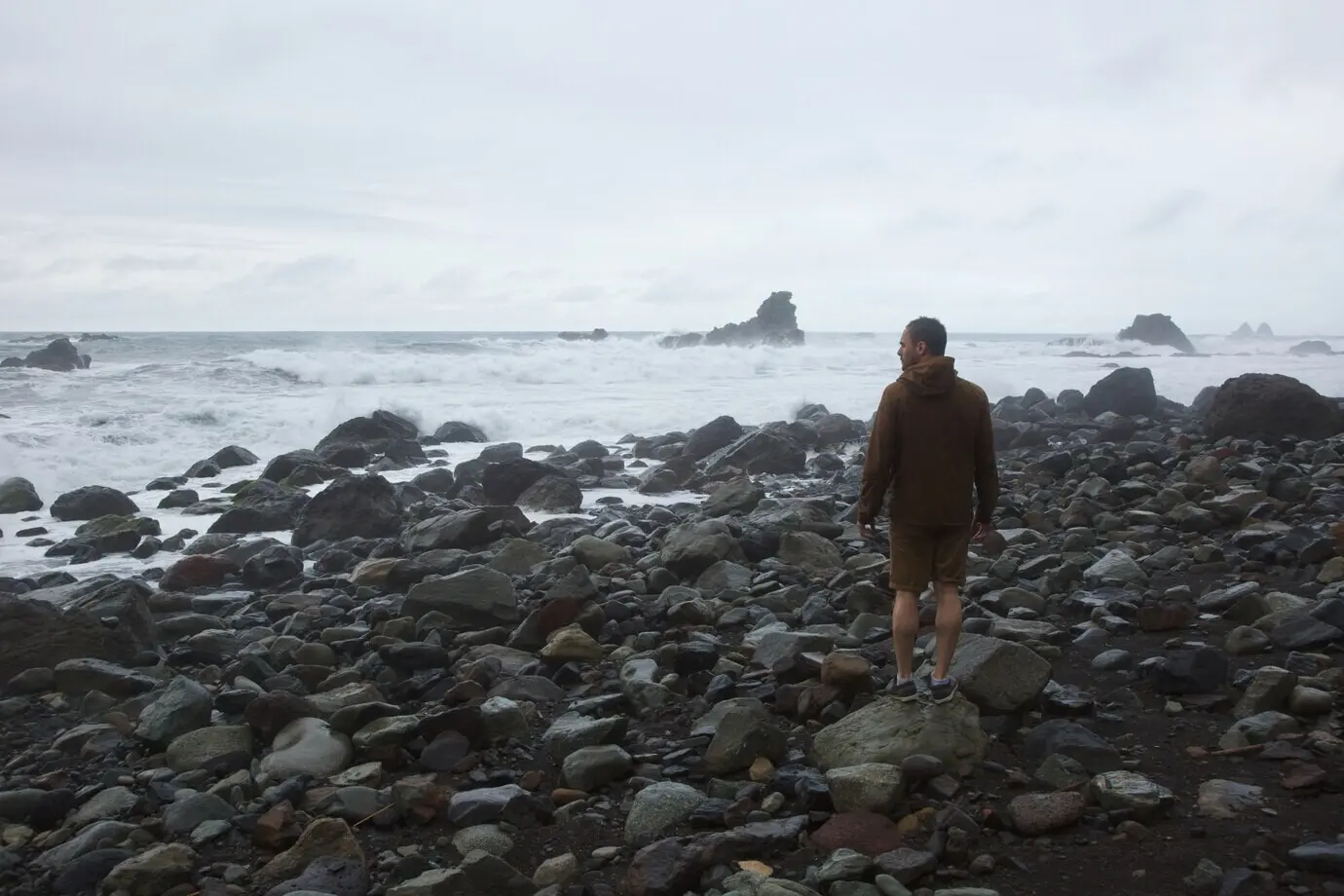
Coasts vary wildly, and each region reshapes how a lighthouse reads against land and sky. Rocky headlands forge high vantage points; barrier islands invite low, reflective frames; volcanic shores carve stark silhouettes. Let local weather patterns guide timing and lens choice, and keep itineraries flexible. Use public transit where possible and walk more than you drive—trails often reveal the quietest, most rewarding angles.
Editing, Sequencing, and Sharing Your Work
Color Grading for Maritime Moods
Aim for hues that echo sea air rather than candy tones. Subtle cyan lifts in shadows, tempered warmth on stone, and controlled highlights around the lantern communicate reality with poetry. Check white balance against neutral surf foam, then revisit skin tones if people appear. Let atmosphere breathe by avoiding heavy clarity, reserving microcontrast for textures that matter, like weathered railings and carved rock leading lines.
Sequencing a Coastal Trail Photo Essay
Arrange images like a walk: opening with trail approach, revealing glimpses through foliage, cresting at the overlook, and exhaling with reflective water or twilight glow. Vary focal lengths to change cadence, pairing wides with details so pages breathe. Interleave maps or notes to anchor memory. A thoughtful sequence invites viewers to inhabit the coastline, not just admire isolated moments pinned to a screen.
Inviting Feedback, Building Community, and Next Steps
End with a call to action. Ask readers to share their safest vantage discoveries, local etiquette tips, and tide tricks in the comments. Encourage subscriptions for field guides, seasonal checklists, and community photo challenges. Offer to critique a few submissions each month, highlighting learning moments. Together we can chart respectful routes, celebrate coastal heritage, and keep returning to the trail with renewed curiosity.
All Rights Reserved.