Ride the Tide, Reach the Light

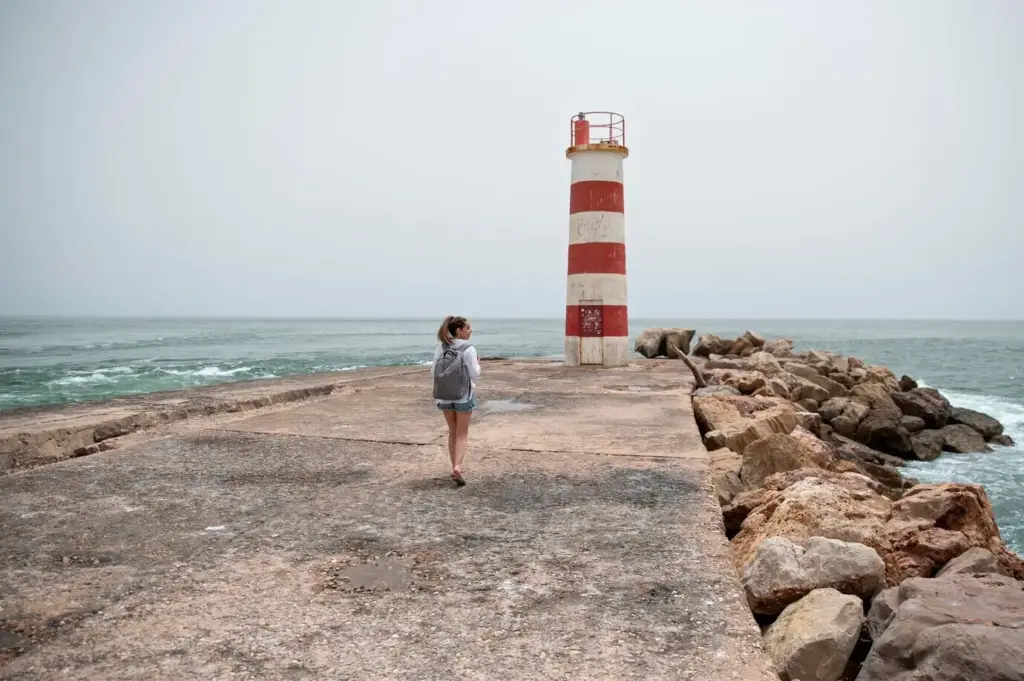
Today we dive into Tidal Planning and Safety Essentials for Lighthouse Shore Hikes, transforming coastal curiosity into confident, thoughtful exploration. You will learn how to read the ocean’s rhythm, prepare realistic turnaround times, respect changeable weather and swell, and carry gear that genuinely prevents small missteps from becoming big problems. Expect practical tips, engaging stories from rocky headlands, and encouragement to share your own coastal wisdom with a community that loves waves, wind, and distant beacons.

Reading the Ocean’s Clock

High, Low, and the Intertidal Window
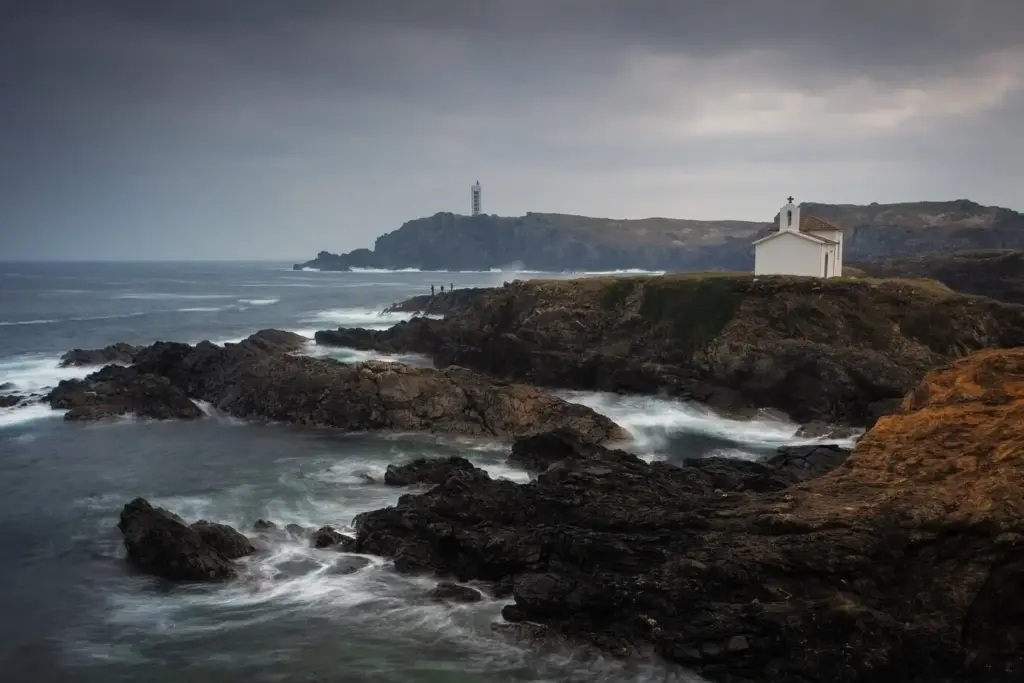
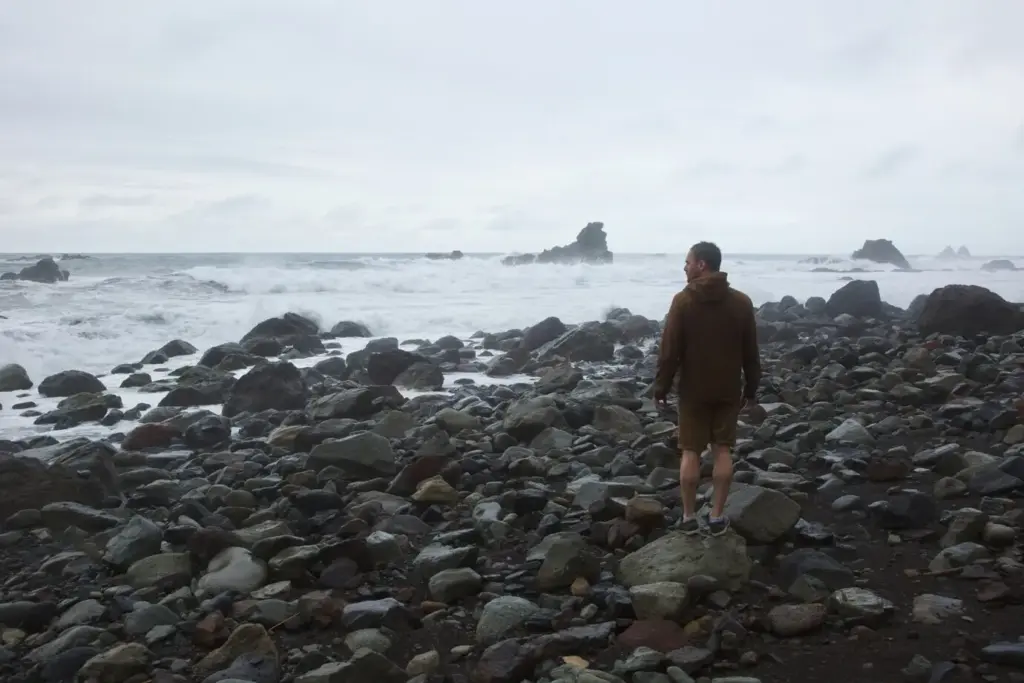
Shore access around rocky points usually depends on a narrow window near lower tides, when ledges appear and surge channels calm. Note the predicted low, subtract a safety buffer, and decide your turnaround time before stepping off. If rocks stay wet and waves cross your route, wait patiently, watch several sets, and reassess without pressure.

Currents, Backwash, and Headland Effects
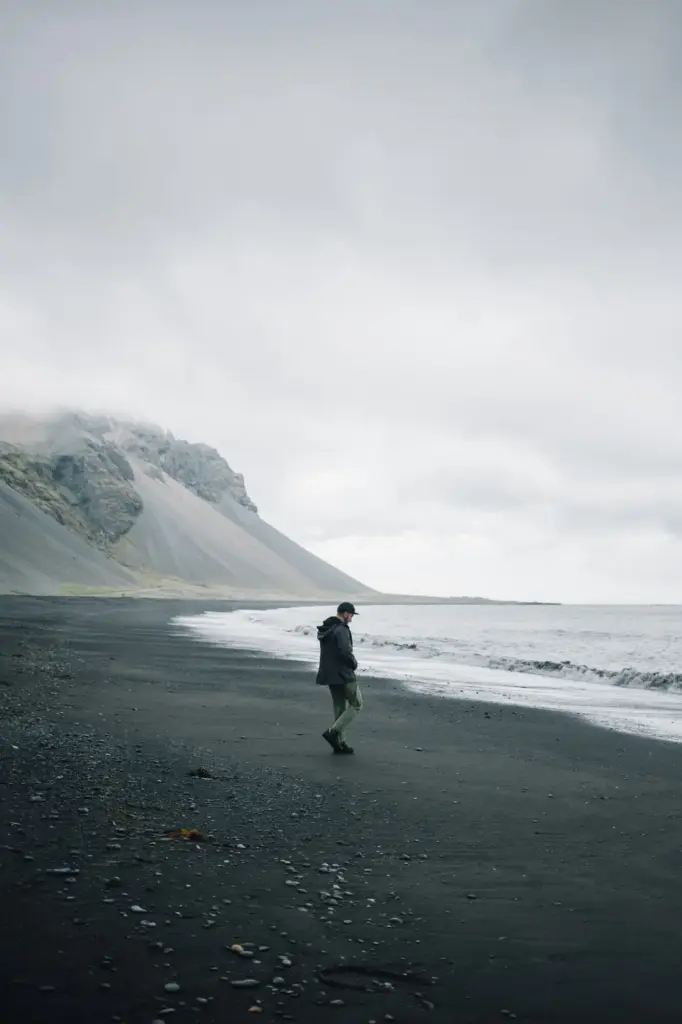
Lighthouses often crown points where currents bend, accelerating along rock faces and rebounding as backwash that can tug ankles or destabilize footing. Expect accelerated flow near constrictions and inlets. Study charts, scan for persistent foam lines, and visualize invisible water movement before crossing slick tongues that look calm yet hide an energetic pull.

Swell Period, Sets, and Pocket Beaches

A gentle-looking pocket beach can erupt when a long-period set arrives, raising water several steps upshore. Longer swell periods carry more power, even at modest heights. Watch ten to fifteen minutes, noting the largest waves and their spacing, and keep tools stowed securely so you can step back quickly without fumbling or hesitation.

Timing Your Approach and Return

Build a Realistic Tide Plan

Choose a target low tide, then add buffers on both sides, accounting for slower travel over barnacles and photo stops. Mark must-pass points with specific times, not vibes. If you are behind schedule at the first checkpoint, turn around without debate. Early exits feel anticlimactic until you realize how smooth and safe they make the day.

Clear Decision Points and Go/No-Go Lines

Before leaving the trailhead, agree on visible, non-negotiable lines: a wet notch you won’t enter, a channel you only cross if a ledge is fully dry, wind speed limits, and a latest return time. Externalized rules reduce pressure from sunk costs and lighthouse magnetism, making conservative choices easier when the surf begins whispering seductive shortcuts.

A Short Story of a Wise Retreat

On a fog-kissed morning, a pair reached a rock gate minutes late and watched two larger sets erase their path. They paused, shared tea behind a drift log, then turned back laughing. The light still flashed through mist as gulls swung overhead, proof that an unrushed day can feel triumphant without touching the furthest promontory.

Hazards Hiding in Plain Sight

Coastal risks rarely shout; they whisper. Dark algae mimics dry rock, barnacles shred hands, and sneaker waves strike after deceptive lulls. Fog dampens sound and distance, and wind masks approaching sets. By practicing slow observation and pre-committing to exit triggers, you convert uncertainty into measured caution, maintaining curiosity without gambling against a patient, powerful sea.

Footwear, Traction, and Simple Redundancy

Choose shoes with reliable wet-rock grip and supportive midsoles that won’t fold on edges. Consider light traction aids for slimy approaches, and keep dry socks sealed. Carry a spare lace or cord; it doubles as a repair tie or anchor for a bandage. Confidence grows when your footing feels boringly dependable across uneven, glistening stone.

Navigation That Survives Salt and Shade

Phone maps are great until glare, spray, or cold drains patience and battery. Save offline maps, carry a laminated route sketch, and clip a small compass to your pack. Mark prominent rocks, stairs, and safe exits. If electronics falter in salty air, your analog backup remains cheerful, legible, and ready to point you homeward without fuss.

Layers, Light, and Waterproof Smarts

Coastal wind steals heat; mist seeps fast. Pack a windproof layer, hat, and thin gloves. A headlamp helps at dawn, dusk, or inside short tunnels near historic installations. Keep essentials in a roll-top dry bag. Being slightly over-prepared turns waits for receding water into comfortable pauses filled with shoreline details you would otherwise rush past.

Communication, Companions, and Contingencies
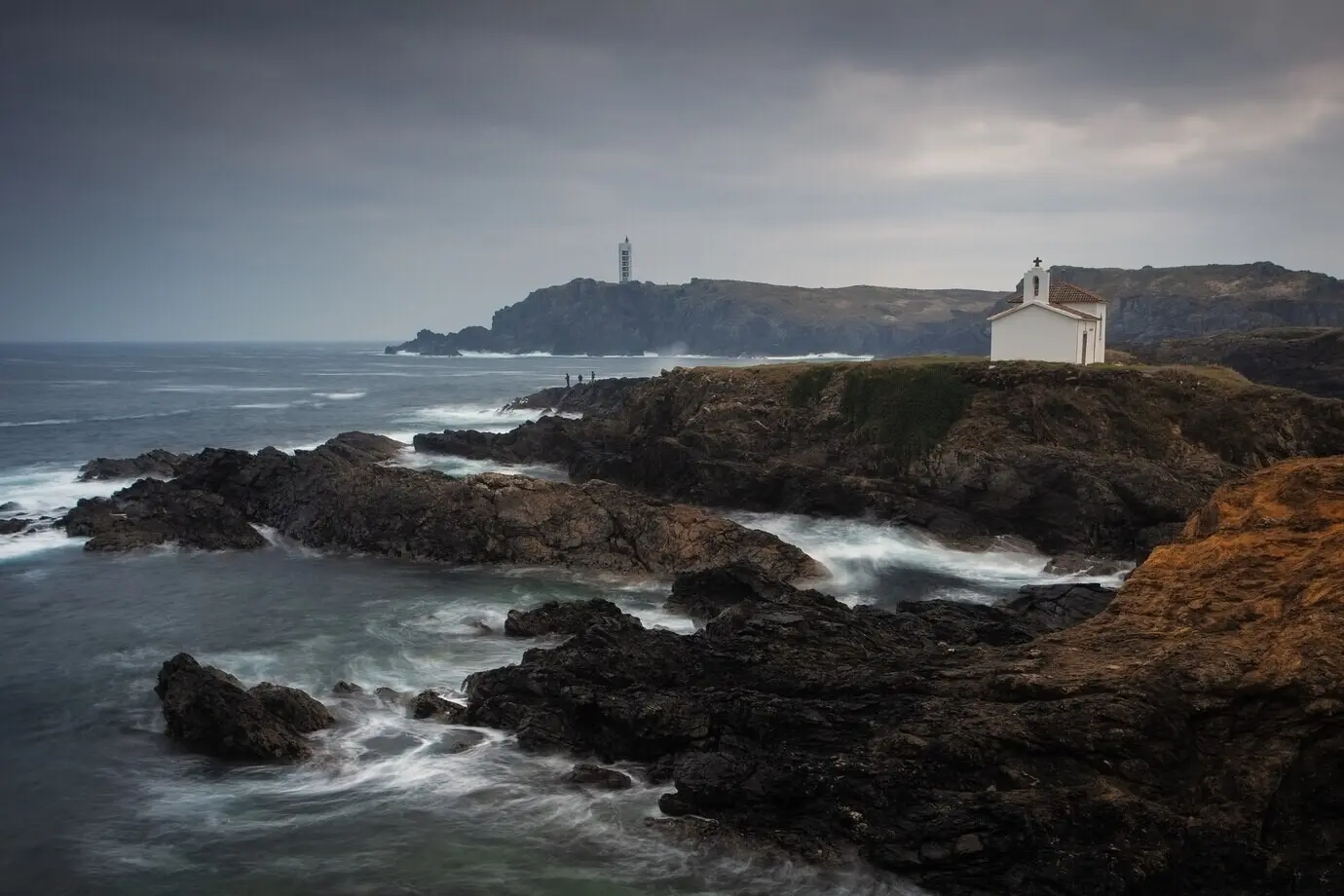
The coast rewards partners who coordinate. Establish check-ins, practice concise hand signals, and agree on emergency steps that assume patchy reception. Share roles: one watches sets, one monitors time, one scans for exit ramps. Clear communication transforms exposure into shared awareness, compressing response times if the shoreline shifts from playful to pushy within a few minutes.
Leave a contact your planned route, latest return time, and a realistic grace period. Share parking location and vehicle details. Promise to text upon exit, even if plans change. This light structure protects rescuers’ time, eases loved ones’ minds, and reminds you to keep decisions anchored to clocks rather than wishful glances at distant lantern rooms.
Waves drown voices, so agree on visible signals for stop, back, and safe to cross. Keep the group tight at constrictions, with one person moving at a time. Rotate leadership at decision points to avoid momentum bias. Silence becomes partnership when gestures are practiced, crisp, and trusted enough to override individual bravado at slippery bottlenecks.
Do not race water across narrowing ledges. Move to higher, stable ground, prioritize warmth, and call for help early if escape options are uncertain. Conserve battery by sending concise text updates. Mark your location, avoid edges, and wait. Most coastal predicaments improve with time as tide cycles offer fresh windows and calmer opportunities to retreat.

Local Knowledge and Coastal Care

Ask, Listen, and Read the Fine Print

Check official tide predictions, surf advisories, and park alerts the day before and the morning of your hike. Rangers and local volunteers often know which ledges stay slick, which coves trap water, and when fog rolls fast. A two-minute conversation may save two stressful hours negotiating a tide gate that only opens briefly and imperfectly.

Wildlife, Closures, and Gentle Footsteps

Many lighthouse shores host nesting seabirds, pupping seals, and delicate anemones. Give wide berths, observe from respectful distances, and follow posted detours even if they complicate your timing. Keeping the coast alive means prioritizing creatures whose homes we cross briefly. Your photos still glow when taken a few calm meters farther from sensitive life.

Share, Subscribe, and Strengthen the Community

After your outing, post conditions, safe windows you observed, and any unexpected surges. Invite questions, answer with humility, and subscribe for fresh tide planning insights and route notes. Your perspective might guide a newcomer away from a risky ledge toward a panoramic bluff where lighthouse beams sweep gently across an ocean breathing in patient cycles.

Nolavemozuxafepoka
Privacy Overview

This website uses cookies so that we can provide you with the best user experience possible. Cookie information is stored in your browser and performs functions such as recognising you when you return to our website and helping our team to understand which sections of the website you find most interesting and useful.